
Roofing in Central Simi Valley, CA

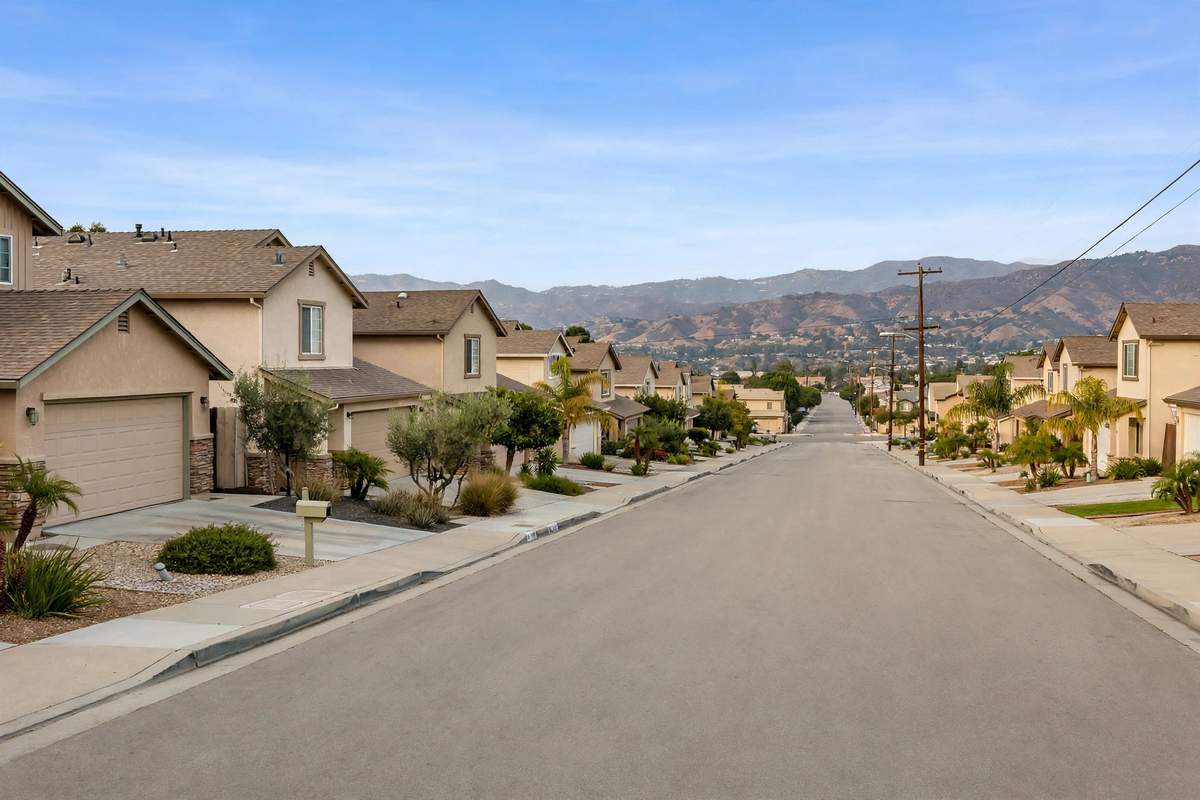
Central Simi Valley is a sector, not a neighbourhood, and it is labelled as such on this page. It covers the valley-floor tracts around Los Angeles Avenue and Royal Avenue, where the first 1960s subdivisions spread.

  • Address1712 Erringer Rd, Simi Valley, CA 93065, United States
  • Phone(805) 669-9300
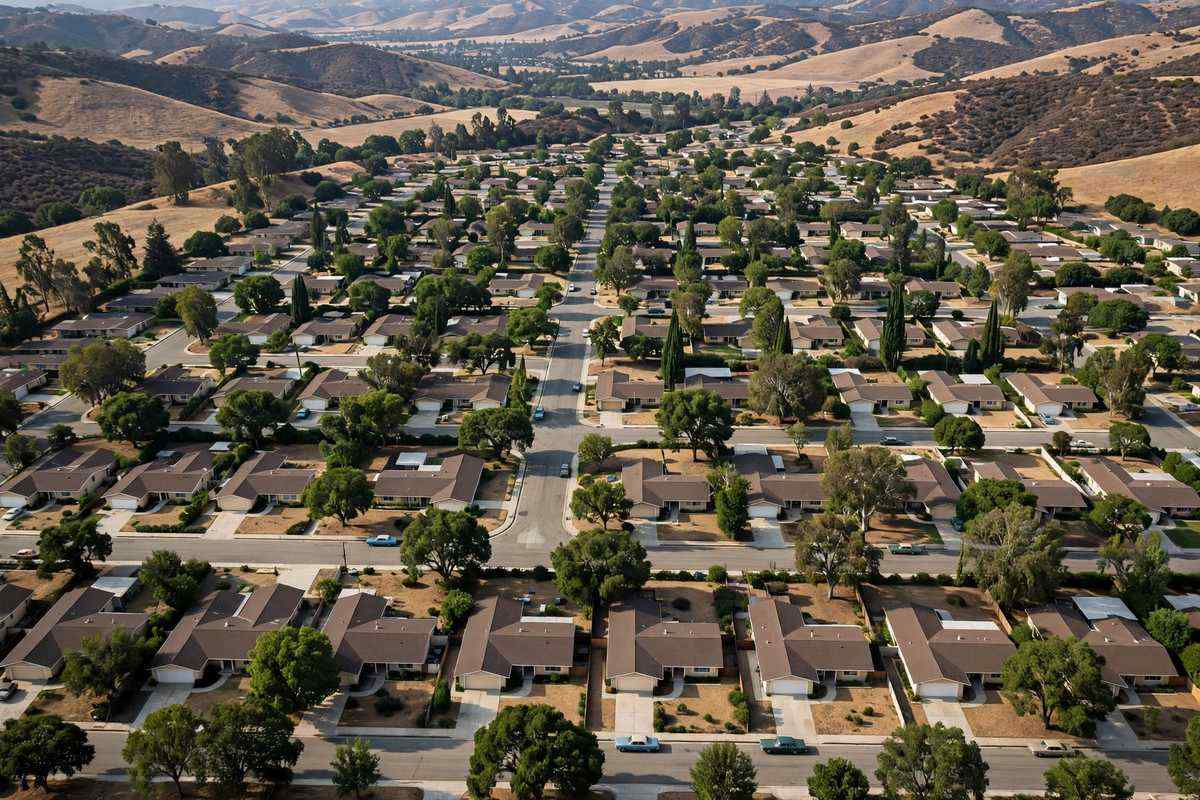
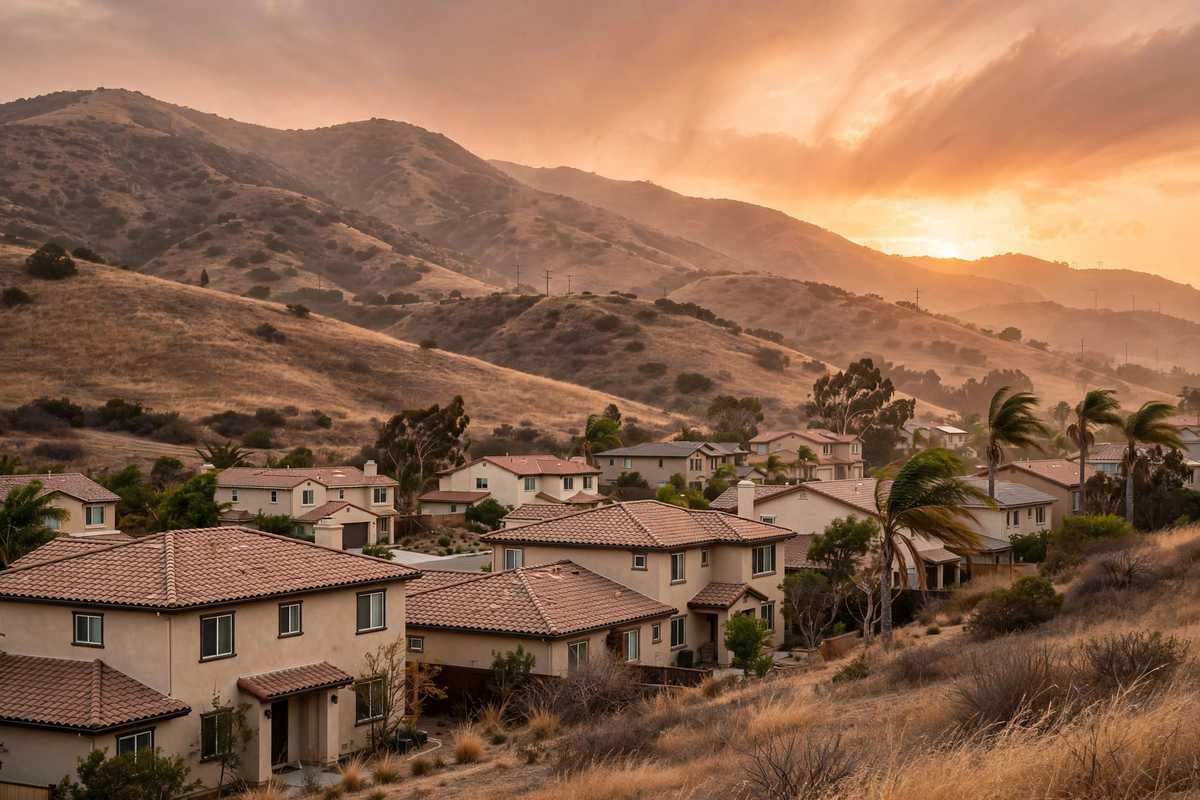
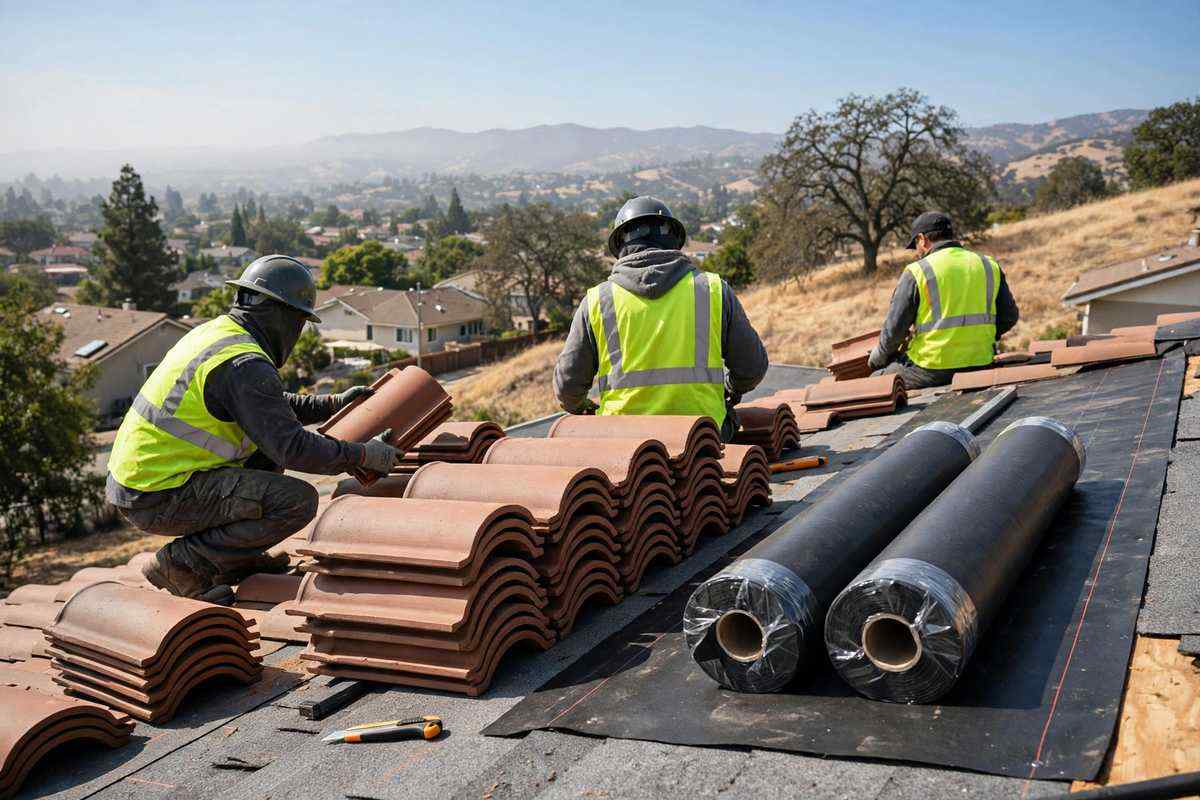
Central Simi Valley tract homes seen from above

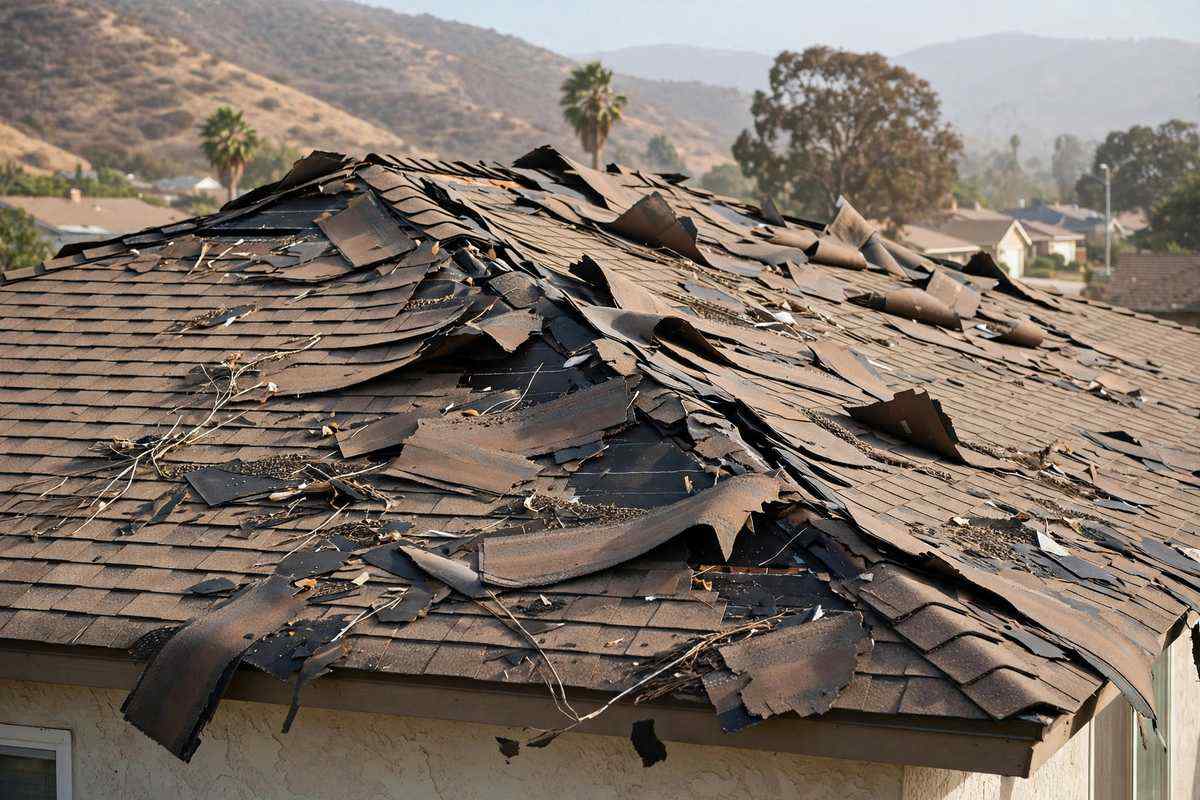
The roofs here are predominantly asphalt shingle on low-slope ranch homes, many now on a second re-roof cycle. The local failure pattern is heat-aged shingle, granule loss and valley and flashing leaks after the first winter rain.

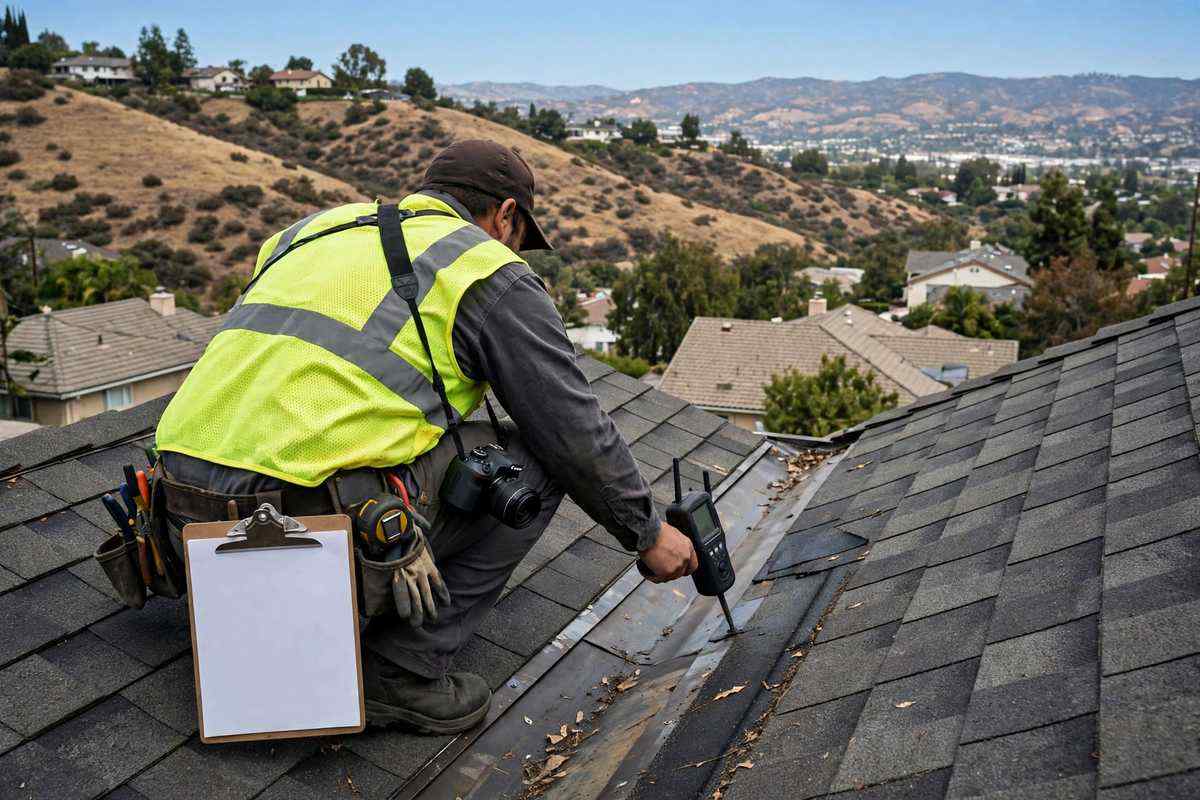
  • Photos before quotesYou see what we see
  • Scope written firstMaterials listed line by line
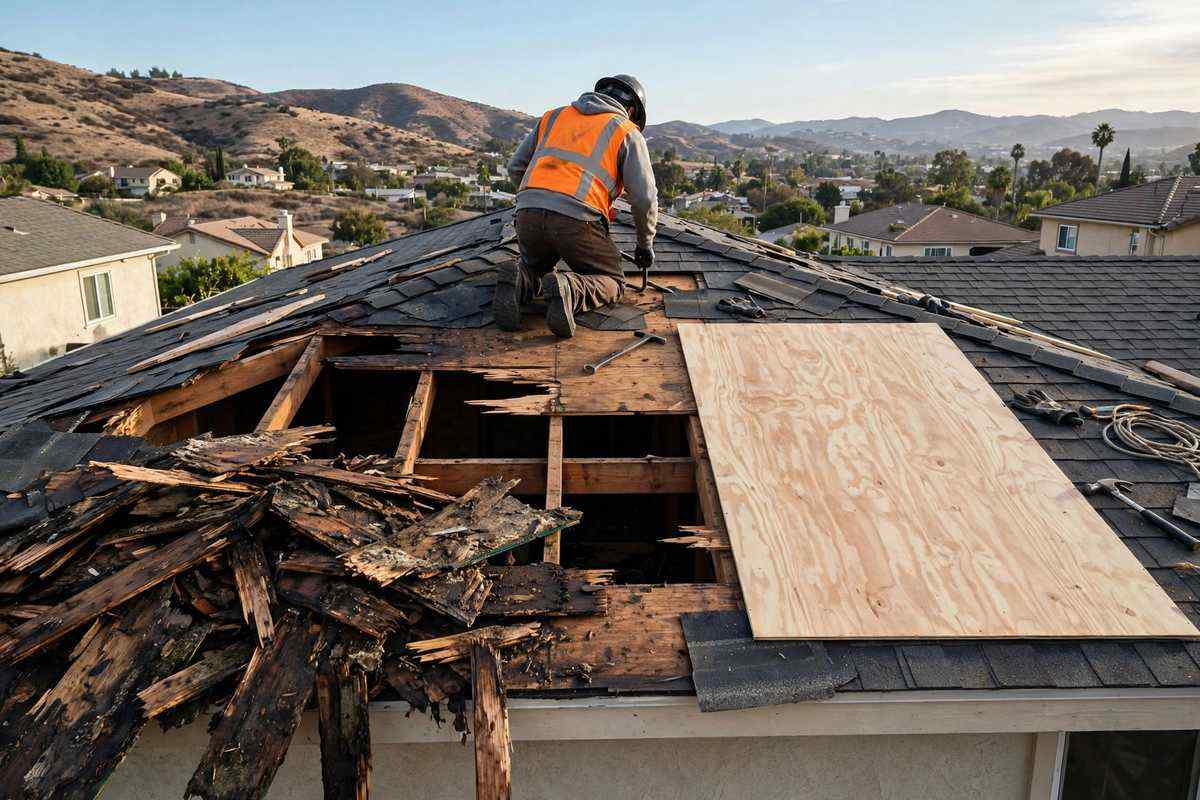
  • Deck checked at tear-offRotted sheets shown to you
  • Magnet sweep at cleanupNails off the lawn

Roofing in Central Simi Valley: Local Authority

Central Simi Valley is valley-floor work: easy access and staging, heat and ultraviolet ageing as the dominant driver, and winter rain as the leak trigger, rather than ridgeline wind or fire exposure.

A central tract roof is also where the City permit trigger is most often met on a full re-roof, and where the Climate Zone 9 steep-slope cool-roof values apply, because a full replacement exceeds both thresholds.

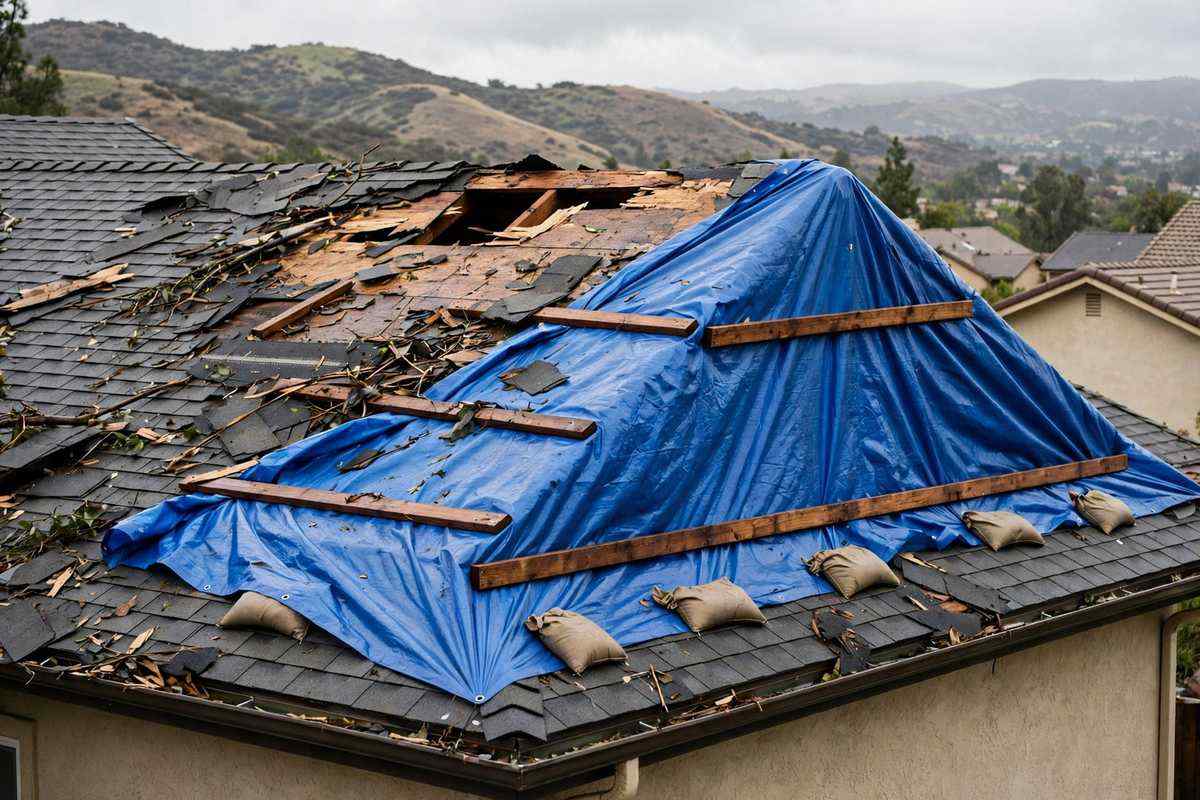
Blue tarp temporarily covering storm damage on a Simi Valley roof

Roofing Services Available in Central Simi Valley

Simi Valley is an ageing tract re-roof market, not a new-construction market. Most Simi Valley homes were built in the 1960s and the 1980s, with a median construction year in the late 1970s. A large share of roofs therefore sit on homes 35 to 65 years old, at or beyond a first or second re-roof cycle on age grounds alone, so each roof still needs its own inspection.

How each service works in Central Simi Valley

Blue tarp temporarily covering storm damage on a Simi Valley roof

Roof Installation in Central Simi Valley

Roof demand in Simi Valley is driven by inland heat and ultraviolet exposure, concentrated winter rain, and Santa Ana wind, not by snow. Rain is strongly winter-concentrated and summers are essentially dry, so valleys, flashings and drains sit dry and collect debris for months and are then tested in a handful of winter storms. Santa Ana gusts in Simi Valley have been recorded at 62 mph, as on 4-5 October 2013.

  • Ventilation checked before install
  • Wind-rated fastening on exposed slopes
  • Final walkthrough with photos
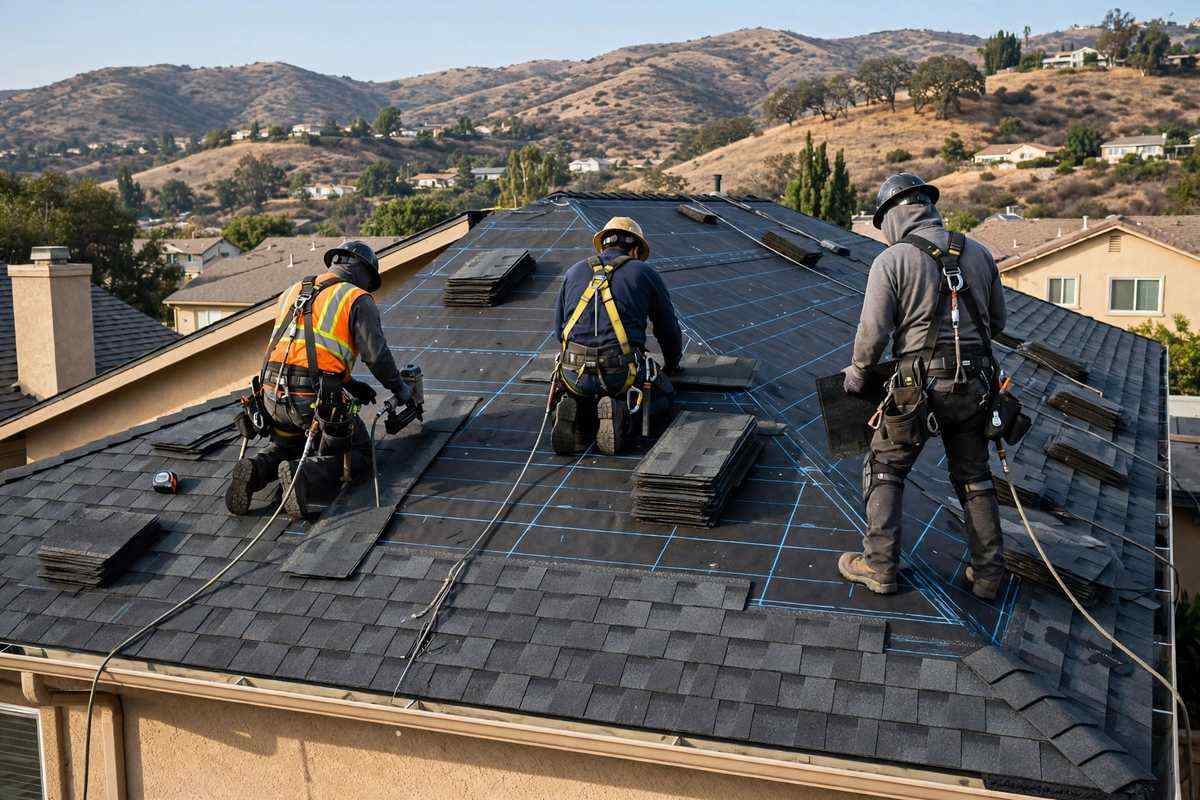
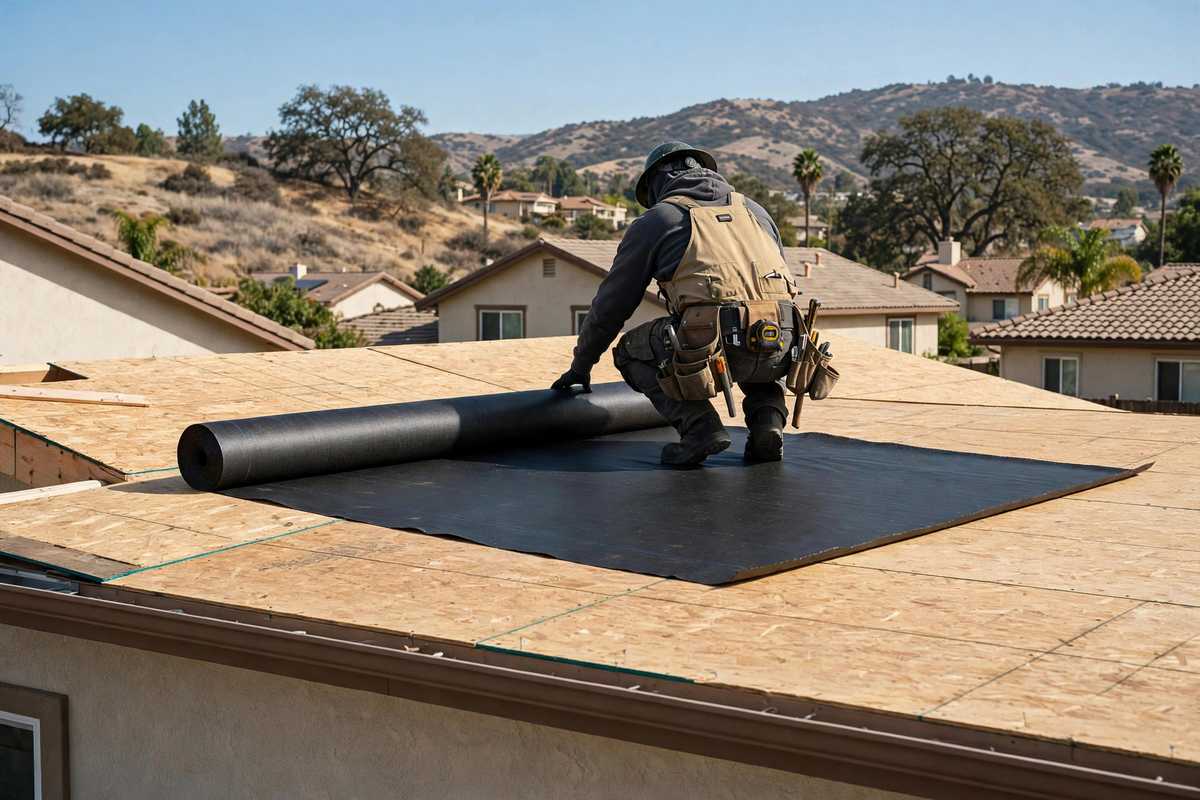
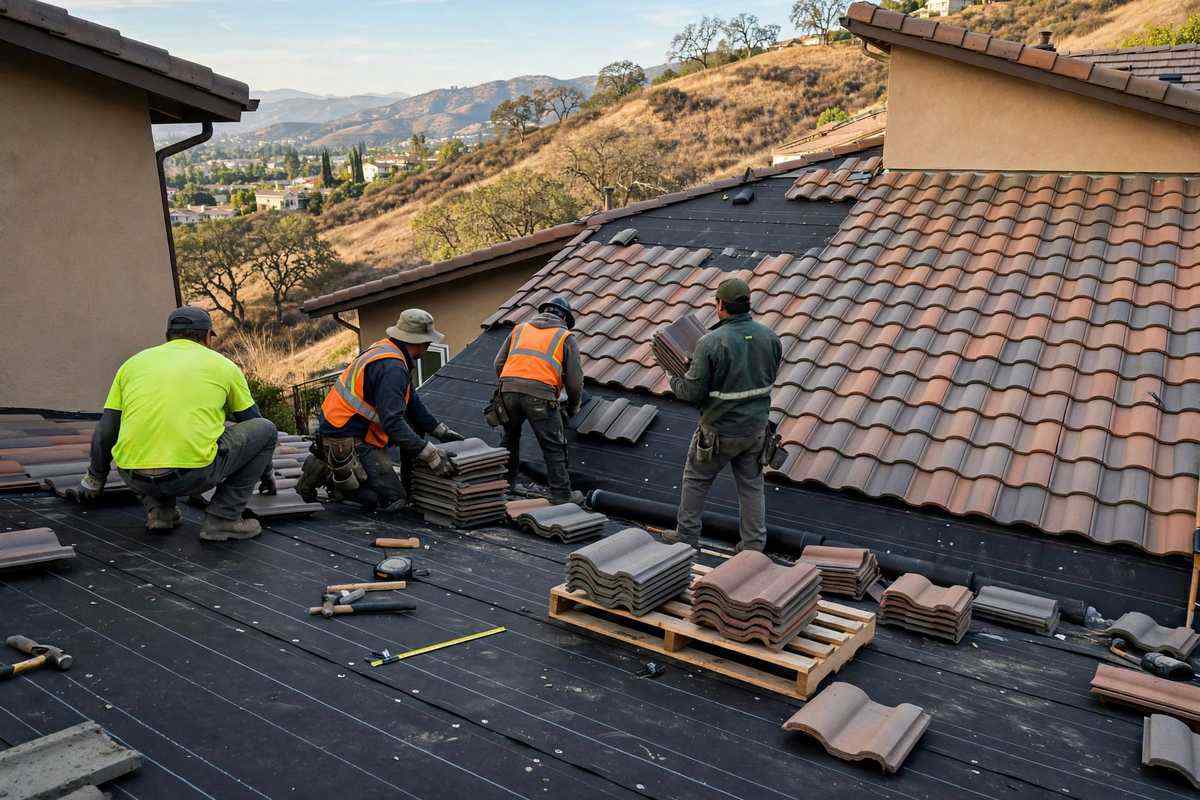
Crew relaying clay tile over new underlayment in Simi Valley

For homes in Central Simi Valley

Roof demand in Simi Valley is driven by inland heat and ultraviolet exposure, concentrated winter rain, and Santa Ana wind, not by snow.

  • 1960s homes near Old Town
  • Newer builds near Town Center
  • Tile roofs needing underlayment
  • Homes with wind-lifted shingles
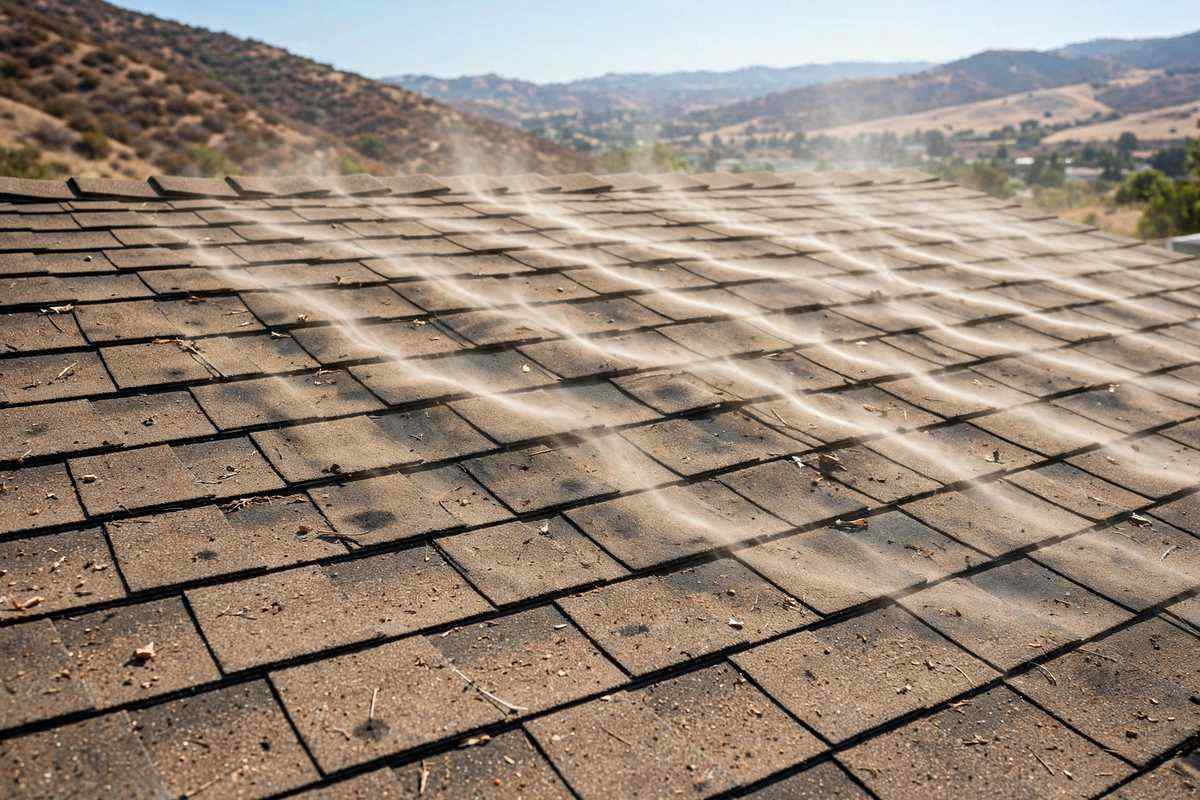
Sun-baked shingle roof in Simi Valley summer heat

For businesses in Central Simi Valley

Rain is strongly winter-concentrated and summers are essentially dry, so valleys, flashings and drains sit dry and collect debris for months and are then tested in a handful of winter storms.

  • Retail buildings near Town Center
  • Downtown office buildings
  • Light industrial flat roofs
  • Properties needing roof coating

Common Roofing Problems in Central Simi Valley

Simi Valley is an ageing tract re-roof market, not a new-construction market. Most Simi Valley homes were built in the 1960s and the 1980s, with a median construction year in the late 1970s. A large share of roofs therefore sit on homes 35 to 65 years old, at or beyond a first or second re-roof cycle on age grounds alone, so each roof still needs its own inspection.

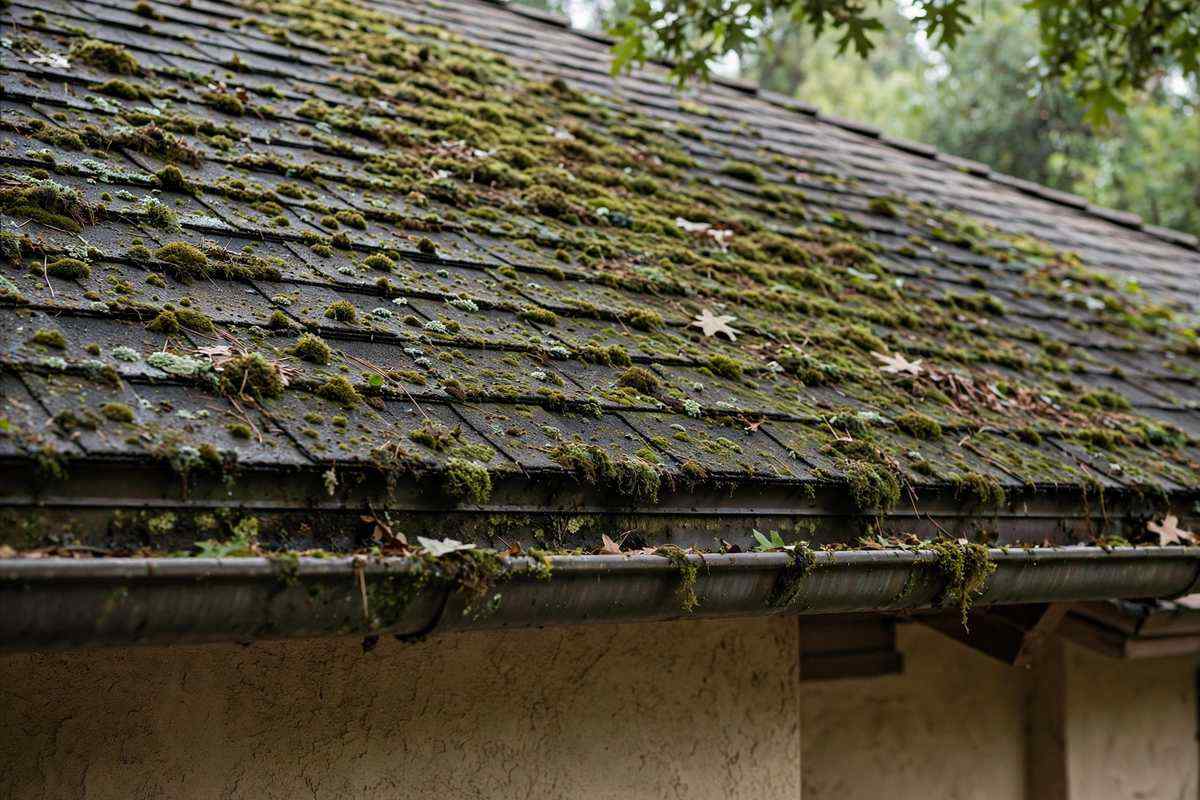
  • Moss growing on the shaded north slope of a shingle roof

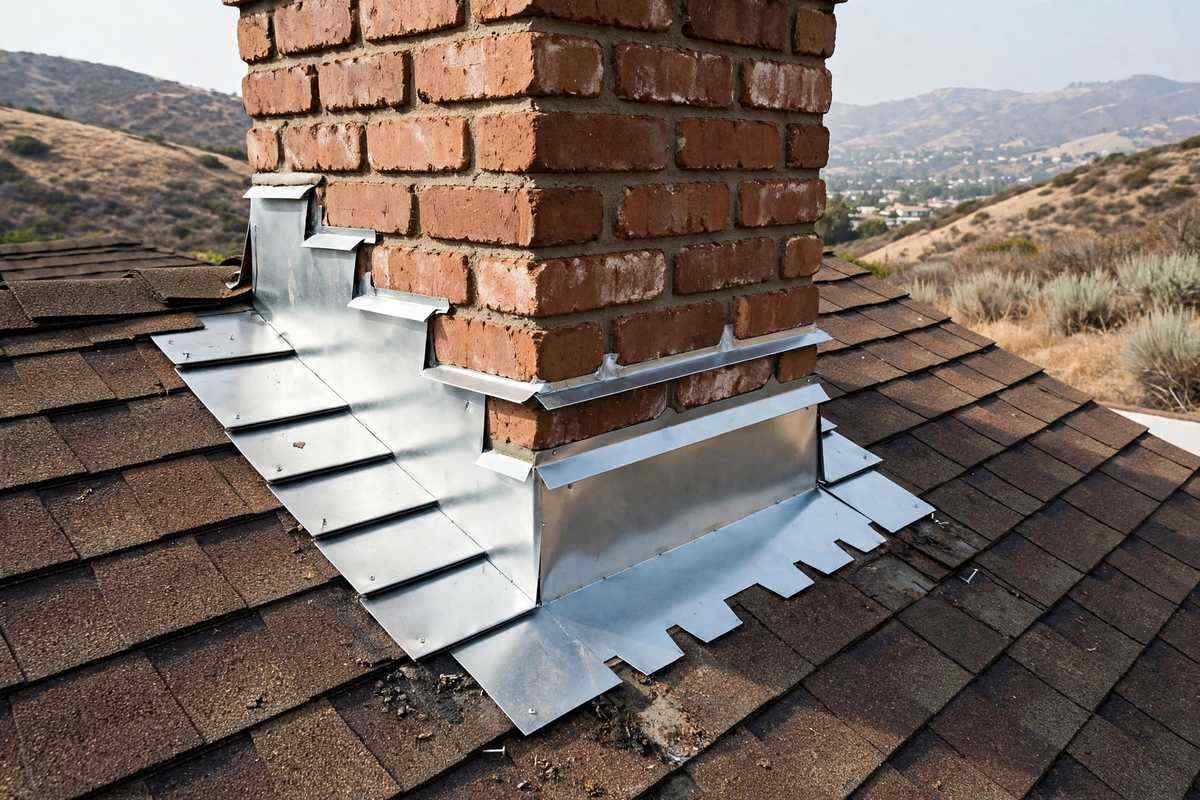
    Chimney flashing leaks

    A recent local fire was the Easy Fire, 30 October to 2 November 2019, at 1,806 acres, ignited near Easy Street and Madera Road at the westerly end of Simi Valley.

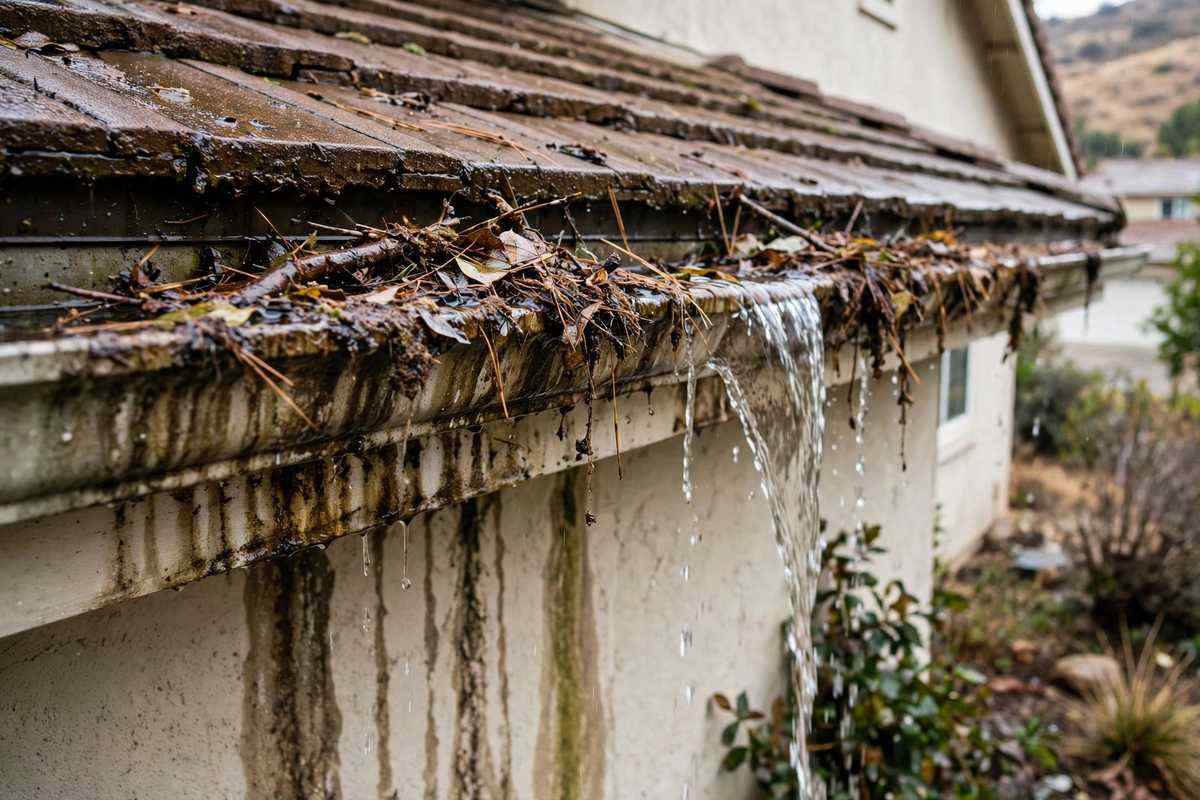
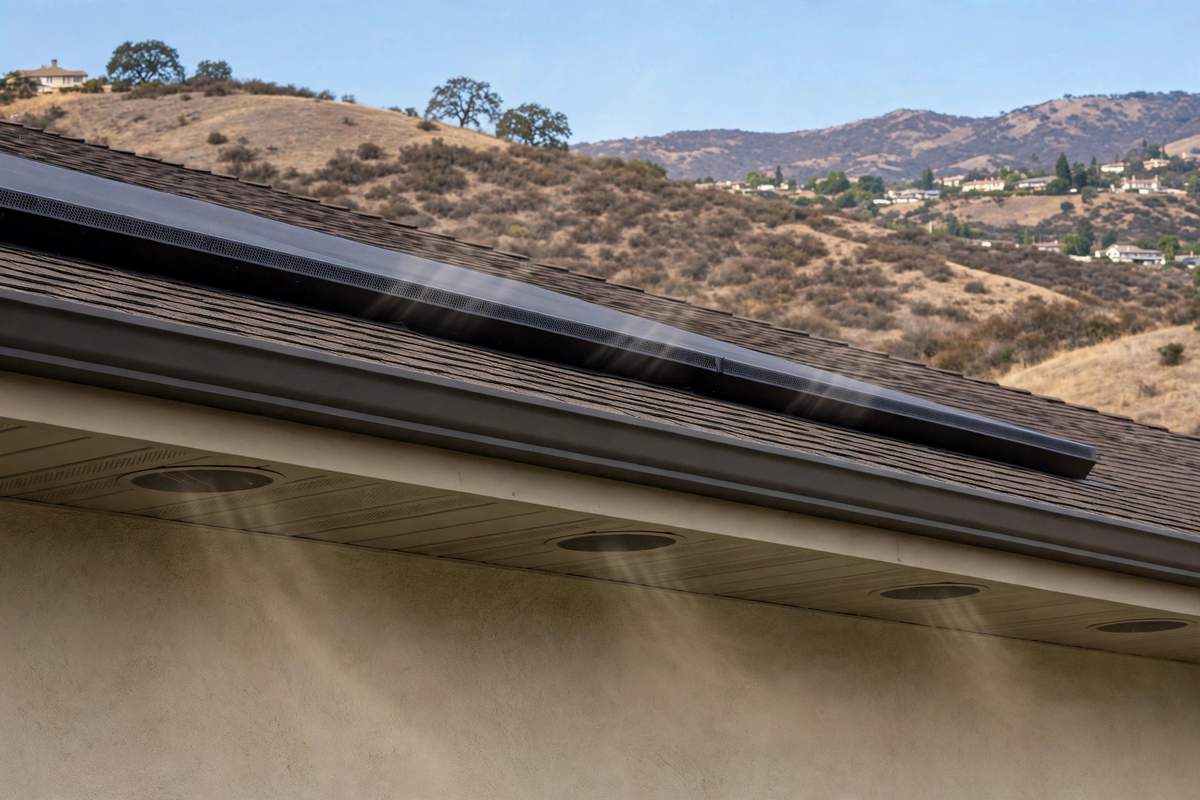
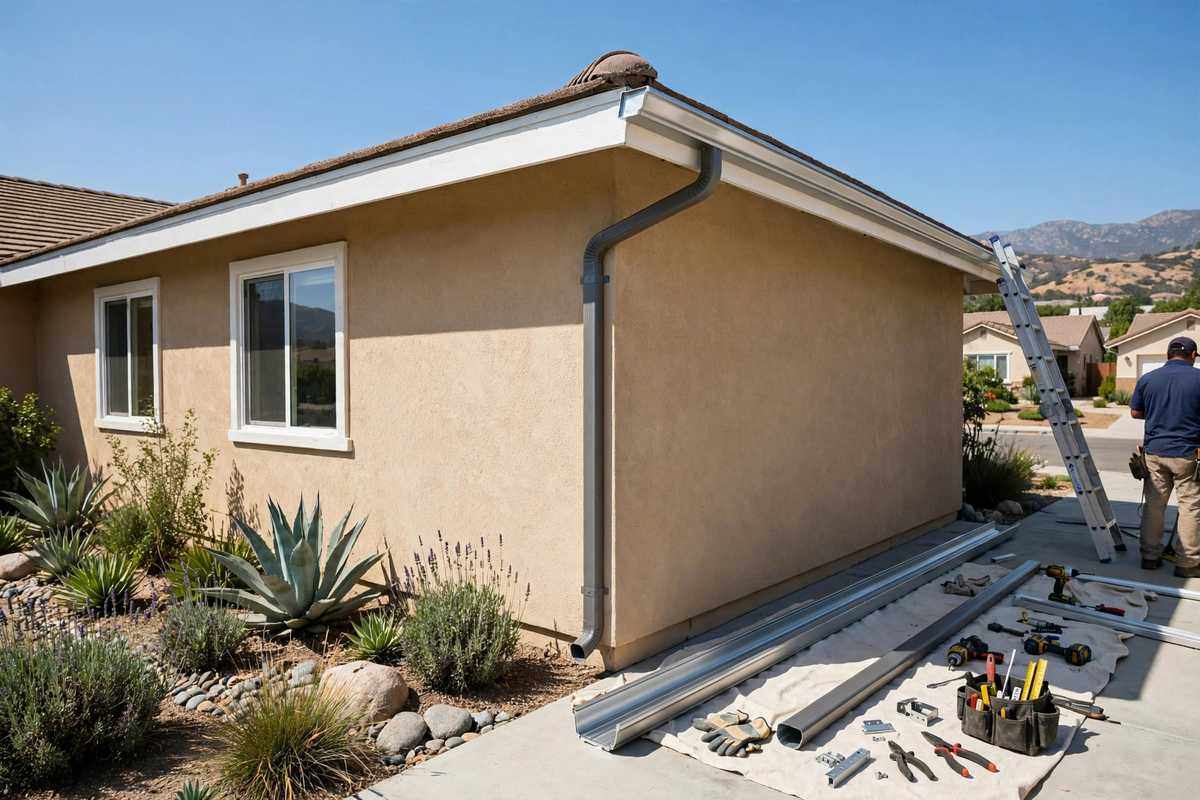
  • Overflowing gutter and stained fascia on a Simi Valley home

    Wind-lifted shingles and ridge caps

    The Woolsey Fire ignited on 8 November 2018 south of Simi Valley on or near the Santa Susana Field Laboratory and burned about 80 percent of that site.

  • Simi Hills at sunset above Simi Valley rooftops

    Underlayment failure on tile roofs

    Central Simi Valley is a sector, not a neighbourhood, and it is labelled as such on this page.

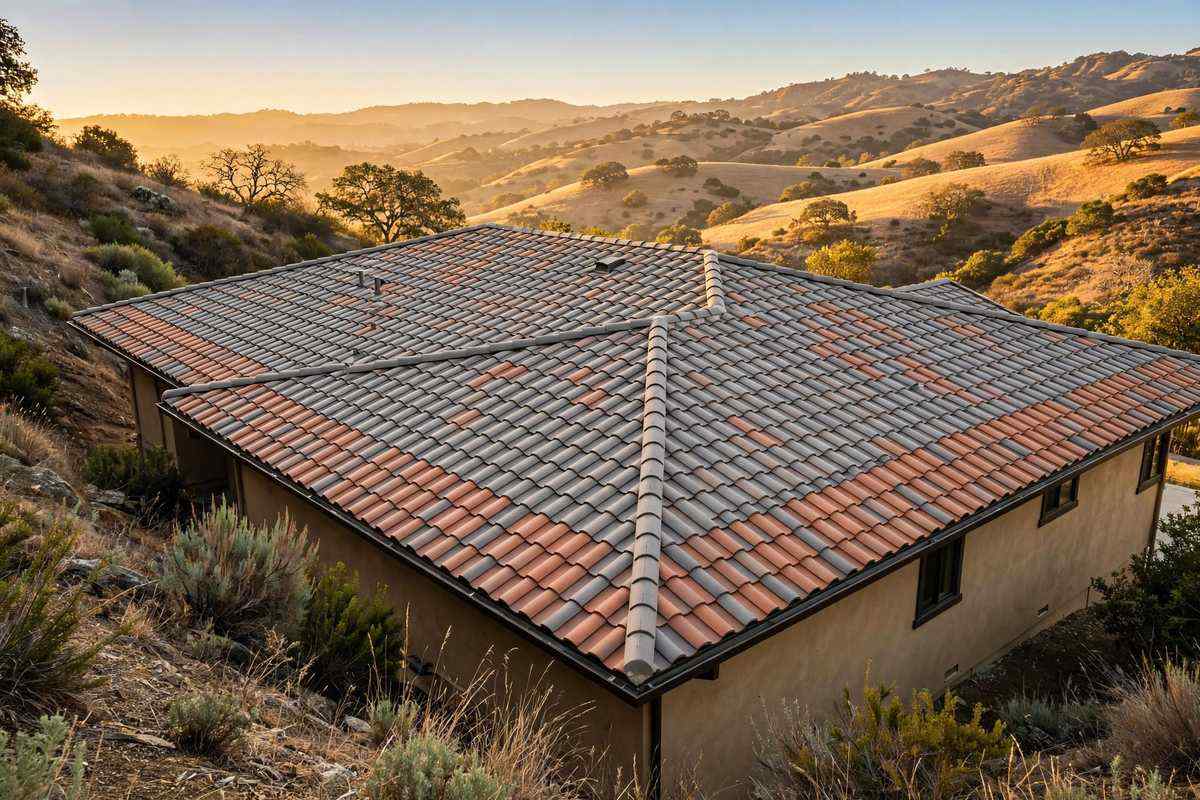
  • Concrete tile roof on a Simi Valley hillside home

    Poor attic ventilation driving heat damage

    It covers the valley-floor tracts around Los Angeles Avenue and Royal Avenue, where the first 1960s subdivisions spread.

Signs You Need Roofing in Central Simi Valley

Central Simi Valley is valley-floor work: easy access and staging, heat and ultraviolet ageing as the dominant driver, and winter rain as the leak trigger, rather than ridgeline wind or fire exposure.

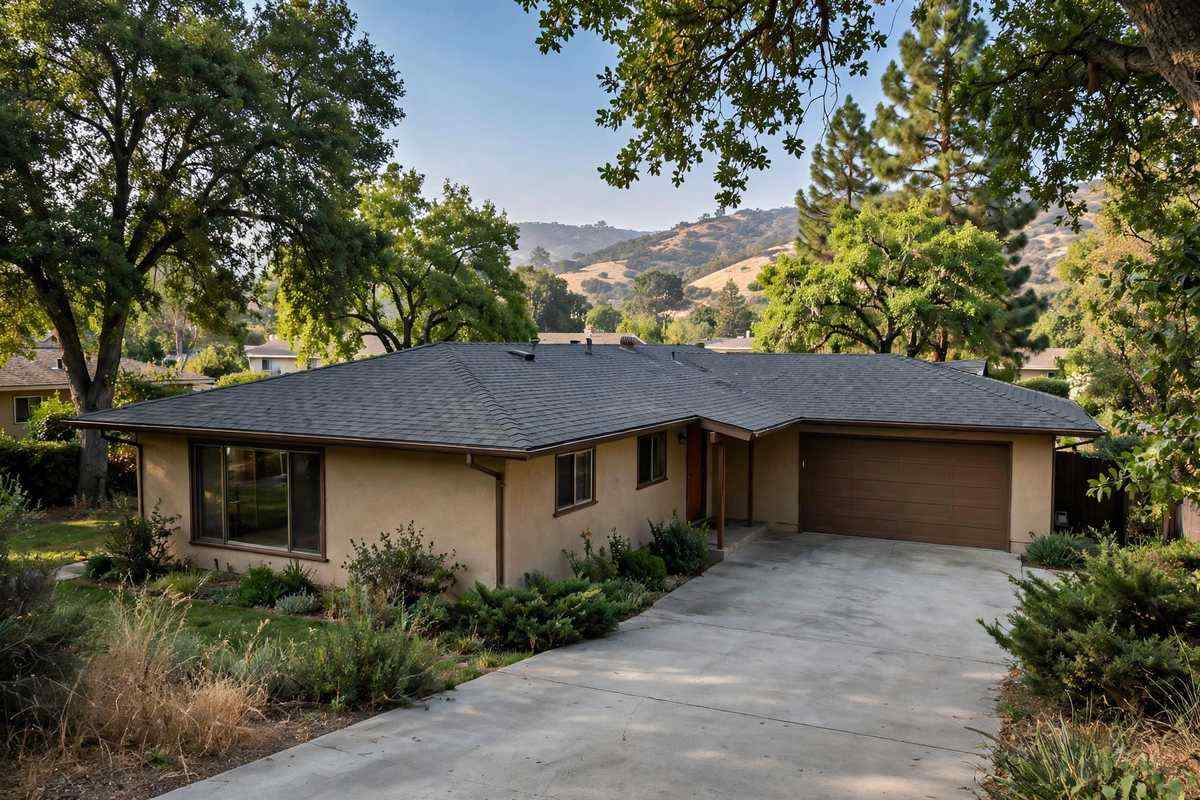
Architectural shingle roof on a Simi Valley tract home
  • Ceiling stains after rain

    The local failure pattern is heat-aged shingle, granule loss and valley and flashing leaks after the first winter rain.

  • Missing or lifted shingles after wind

    Central Simi Valley is valley-floor work: easy access and staging, heat and ultraviolet ageing as the dominant driver, and winter rain as the leak trigger, rather than ridgeline wind or fire exposure.

  • Granules in gutters or at downspouts

    A central tract roof is also where the City permit trigger is most often met on a full re-roof, and where the Climate Zone 9 steep-slope cool-roof values apply, because a full replacement exceeds both thresholds.

  • Daylight visible in the attic

    Simi Valley is an ageing tract re-roof market, not a new-construction market.

  • Sagging gutters or fascia damage

    Most Simi Valley homes were built in the 1960s and the 1980s, with a median construction year in the late 1970s.

How Roofing Work Gets Done in Central Simi Valley

The roofs here are predominantly asphalt shingle on low-slope ranch homes, many now on a second re-roof cycle. The local failure pattern is heat-aged shingle, granule loss and valley and flashing leaks after the first winter rain.

  • Fall wind events off the Santa Susana pass

    Roof demand in Simi Valley is driven by inland heat and ultraviolet exposure, concentrated winter rain, and Santa Ana wind, not by snow.

  • Summer attic temperatures above 140 degrees

    Rain is strongly winter-concentrated and summers are essentially dry, so valleys, flashings and drains sit dry and collect debris for months and are then tested in a handful of winter storms.

  • Mix of 1960s and newer housing stock

    Santa Ana gusts in Simi Valley have been recorded at 62 mph, as on 4-5 October 2013.

  • California Building Standards Code (Title 24) cool roof requirements

    A recent local fire was the Easy Fire, 30 October to 2 November 2019, at 1,806 acres, ignited near Easy Street and Madera Road at the westerly end of Simi Valley.

  • City of Simi Valley building permits for roof replacement

    The Woolsey Fire ignited on 8 November 2018 south of Simi Valley on or near the Santa Susana Field Laboratory and burned about 80 percent of that site.

  • California Contractor License (C-39) roofing classification

    Central Simi Valley is a sector, not a neighbourhood, and it is labelled as such on this page.

The roofs here are predominantly asphalt shingle on low-slope ranch homes, many now on a second re-roof cycle. The local failure pattern is heat-aged shingle, granule loss and valley and flashing leaks after the first winter rain.

  • Roof size and pitchLarger roofs and steeper pitches take more labor and more safety setup. A steep two-story roof in Central Simi Valley can add 20 to 30 percent to labor compared to a low-slope single-story roof.
  • Number of existing layersHomes around Old Town often have two or three layers of shingles. Each layer adds tear-off and disposal cost. We check layer count during inspection so the quote reflects the real scope.
  • Material choiceAsphalt shingle is the most affordable option. Tile, metal, and slate cost more upfront but last longer. In Central Simi Valley, heat and wind make material durability a real factor in long-term cost.

These are published Oct-2026 regional market ranges, not Treggo Lume prices. A written estimate follows inspection.

Roofing Pricing in Central Simi Valley

Central Simi Valley is valley-floor work: easy access and staging, heat and ultraviolet ageing as the dominant driver, and winter rain as the leak trigger, rather than ridgeline wind or fire exposure.

Navigating Central Simi Valley Roofing Jobs

A central tract roof is also where the City permit trigger is most often met on a full re-roof, and where the Climate Zone 9 steep-slope cool-roof values apply, because a full replacement exceeds both thresholds.

  • Simi Valley City Hall

    Central Simi Valley is valley-floor work: easy access and staging, heat and ultraviolet ageing as the dominant driver, and winter rain as the leak trigger, rather than ridgeline wind or fire exposure.

  • Simi Valley Public Library

    A central tract roof is also where the City permit trigger is most often met on a full re-roof, and where the Climate Zone 9 steep-slope cool-roof values apply, because a full replacement exceeds both thresholds.

  • Rancho Simi Community Park

    Simi Valley is an ageing tract re-roof market, not a new-construction market.

  • Simi Valley Town Center

    Most Simi Valley homes were built in the 1960s and the 1980s, with a median construction year in the late 1970s.

  • Simi Valley Metrolink Station

    A large share of roofs therefore sit on homes 35 to 65 years old, at or beyond a first or second re-roof cycle on age grounds alone, so each roof still needs its own inspection.

  • Simi Valley Town Center commercial district

    Roof demand in Simi Valley is driven by inland heat and ultraviolet exposure, concentrated winter rain, and Santa Ana wind, not by snow.

  • Downtown Simi Valley commercial corridor

    Rain is strongly winter-concentrated and summers are essentially dry, so valleys, flashings and drains sit dry and collect debris for months and are then tested in a handful of winter storms.

  • Simi Valley Metrolink Station

    Santa Ana gusts in Simi Valley have been recorded at 62 mph, as on 4-5 October 2013.

Central Simi Valley Neighborhoods We Serve

A recent local fire was the Easy Fire, 30 October to 2 November 2019, at 1,806 acres, ignited near Easy Street and Madera Road at the westerly end of Simi Valley.

  • Downtown Simi Valley
  • Old Town
  • Civic Center
  • Simi Valley Town Center area

Central Simi Valley Roofing Results

  • Old Town

    Before

    The Woolsey Fire ignited on 8 November 2018 south of Simi Valley on or near the Santa Susana Field Laboratory and burned about 80 percent of that site.

    After

    Central Simi Valley is a sector, not a neighbourhood, and it is labelled as such on this page.

  • Civic Center

    Before

    It covers the valley-floor tracts around Los Angeles Avenue and Royal Avenue, where the first 1960s subdivisions spread.

    After

    The roofs here are predominantly asphalt shingle on low-slope ranch homes, many now on a second re-roof cycle.

  • Simi Valley Town Center area

    Before

    The local failure pattern is heat-aged shingle, granule loss and valley and flashing leaks after the first winter rain.

    After

    Central Simi Valley is valley-floor work: easy access and staging, heat and ultraviolet ageing as the dominant driver, and winter rain as the leak trigger, rather than ridgeline wind or fire exposure.

Talk to a Simi Valley roofer

Customer reviews are not published on this website yet. If you would like to discuss a roof in Simi Valley, call Treggo Lume Home Roofers at (805) 669-9300 or visit 1712 Erringer Rd, Simi Valley, CA 93065. A written scope follows inspection of the actual roof.

How Seasons Affect Roofing in Central Simi Valley

  • Spring

    A central tract roof is also where the City permit trigger is most often met on a full re-roof, and where the Climate Zone 9 steep-slope cool-roof values apply, because a full replacement exceeds both thresholds.

  • Summer

    Simi Valley is an ageing tract re-roof market, not a new-construction market.

  • Fall

    Most Simi Valley homes were built in the 1960s and the 1980s, with a median construction year in the late 1970s.

  • Winter

    A large share of roofs therefore sit on homes 35 to 65 years old, at or beyond a first or second re-roof cycle on age grounds alone, so each roof still needs its own inspection.

Nearby Cities We Serve from Central Simi Valley

What to Ask Before Hiring a Roofing Contractor in Central Simi Valley

Central Simi Valley is valley-floor work: easy access and staging, heat and ultraviolet ageing as the dominant driver, and winter rain as the leak trigger, rather than ridgeline wind or fire exposure.

  • Do you hold a California C-39 roofing license?

    Rain is strongly winter-concentrated and summers are essentially dry, so valleys, flashings and drains sit dry and collect debris for months and are then tested in a handful of winter storms.

  • Are you based in or near Central Simi Valley?

    Santa Ana gusts in Simi Valley have been recorded at 62 mph, as on 4-5 October 2013.

  • What manufacturer certifications do you hold?

    A recent local fire was the Easy Fire, 30 October to 2 November 2019, at 1,806 acres, ignited near Easy Street and Madera Road at the westerly end of Simi Valley.

  • Will you inspect the attic and ventilation, not just the roof surface?

    The Woolsey Fire ignited on 8 November 2018 south of Simi Valley on or near the Santa Susana Field Laboratory and burned about 80 percent of that site.

  • Do you provide written scope and pricing before work starts?

    Central Simi Valley is a sector, not a neighbourhood, and it is labelled as such on this page.

Roofing in Central Simi Valley: FAQs

The roofs here are predominantly asphalt shingle on low-slope ranch homes, many now on a second re-roof cycle. The local failure pattern is heat-aged shingle, granule loss and valley and flashing leaks after the first winter rain.

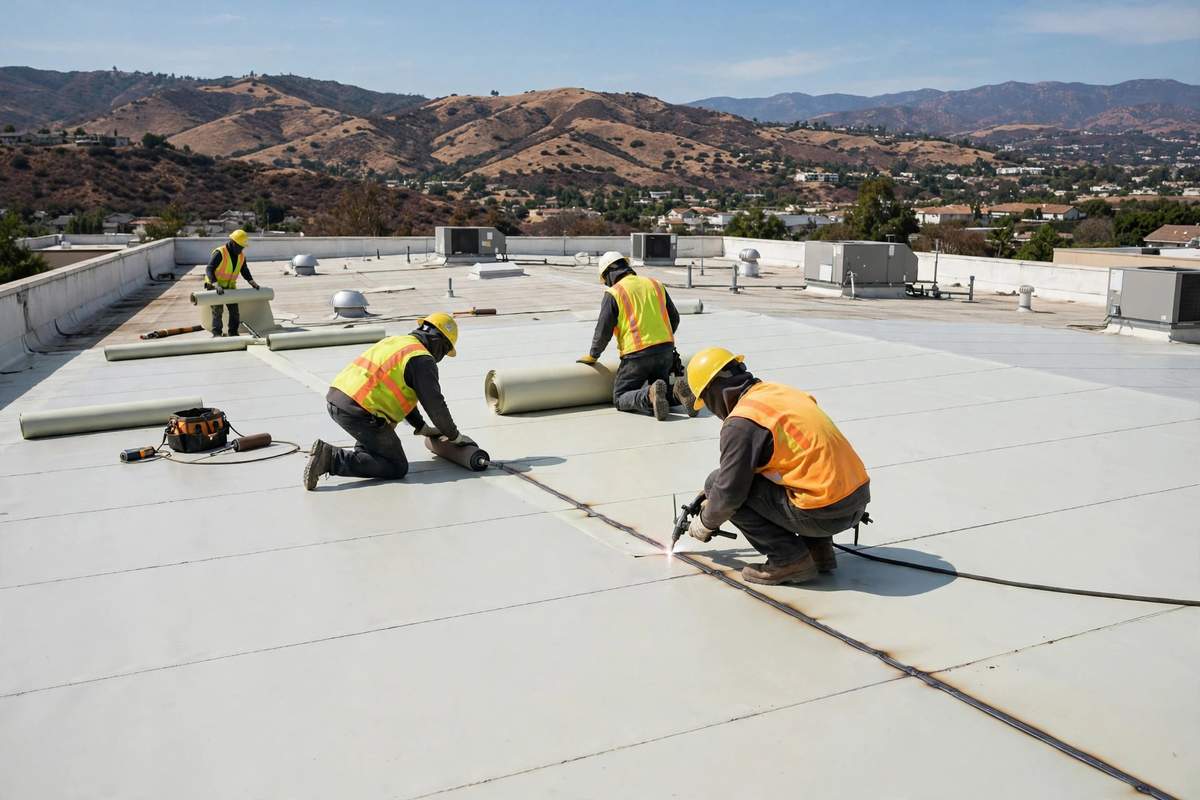
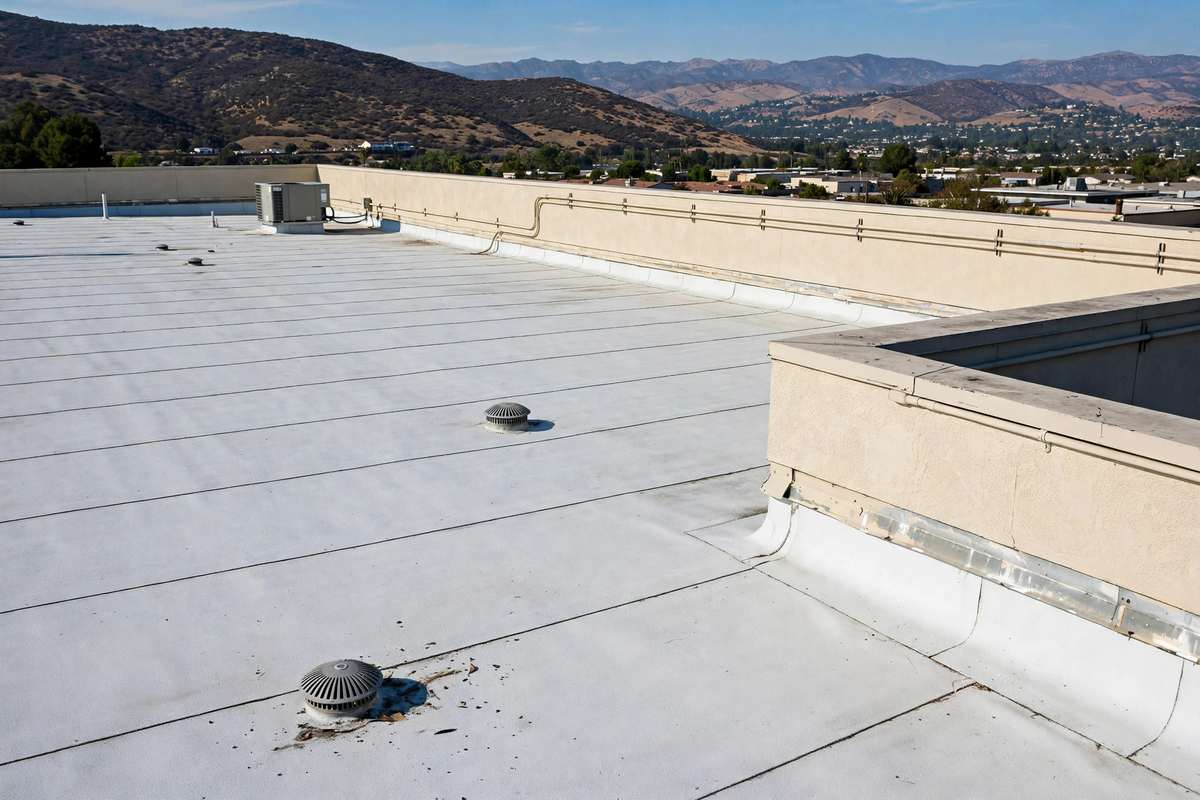
Flat commercial roof with drainage and parapet in Simi Valley

Get Roofing in Central Simi Valley Done Right

Central Simi Valley is valley-floor work: easy access and staging, heat and ultraviolet ageing as the dominant driver, and winter rain as the leak trigger, rather than ridgeline wind or fire exposure.

Contact Our Simi Valley Roofers

Call Treggo Lume Home Roofers at (805) 669-9300 or visit 1712 Erringer Rd, Simi Valley, CA 93065, to discuss your roof.

Simi Valley is an ageing tract re-roof market, not a new-construction market. Most Simi Valley homes were built in the 1960s and the 1980s, with a median construction year in the late 1970s. A large share of roofs therefore sit on homes 35 to 65 years old, at or beyond a first or second re-roof cycle on age grounds alone, so each roof still needs its own inspection.

(805) 669-9300